


Pick up a gym bottle in Tritan and one in stainless steel and the difference is obvious within a minute. One is clear and light. The other feels solid and keeps water cold for hours. Both materials have loyal users in every gym in Pakistan, and both can be the right choice. It depends on how you train, how long your bottle sits in a warm bag, and what you actually drink during a session. This comparison walks through the points that matter in a gym setting, using the gym water bottles sold on Sahoolat as working examples.
What Tritan actually is
Tritan is a copolyester developed by Eastman, the American chemical company that still makes it. It was created as a tougher alternative to regular plastic for reusable bottles and food containers. Eastman states that Tritan is free of BPA and other bisphenols, and it is cleared for food contact use. A Tritan bottle is clear like glass, so you can see exactly how much water is left. It is light, it resists shattering when dropped, and it does not hold flavours the way cheap plastic can. Most Tritan gym bottles have a single wall, which means they offer almost no insulation. The Fruit Infuser Water Bottle 1000ml on Sahoolat is a typical example. It is built from Tritan, carries a removable basket for lemon or cucumber, and is made for cold and room temperature drinks only.
What stainless steel gives you
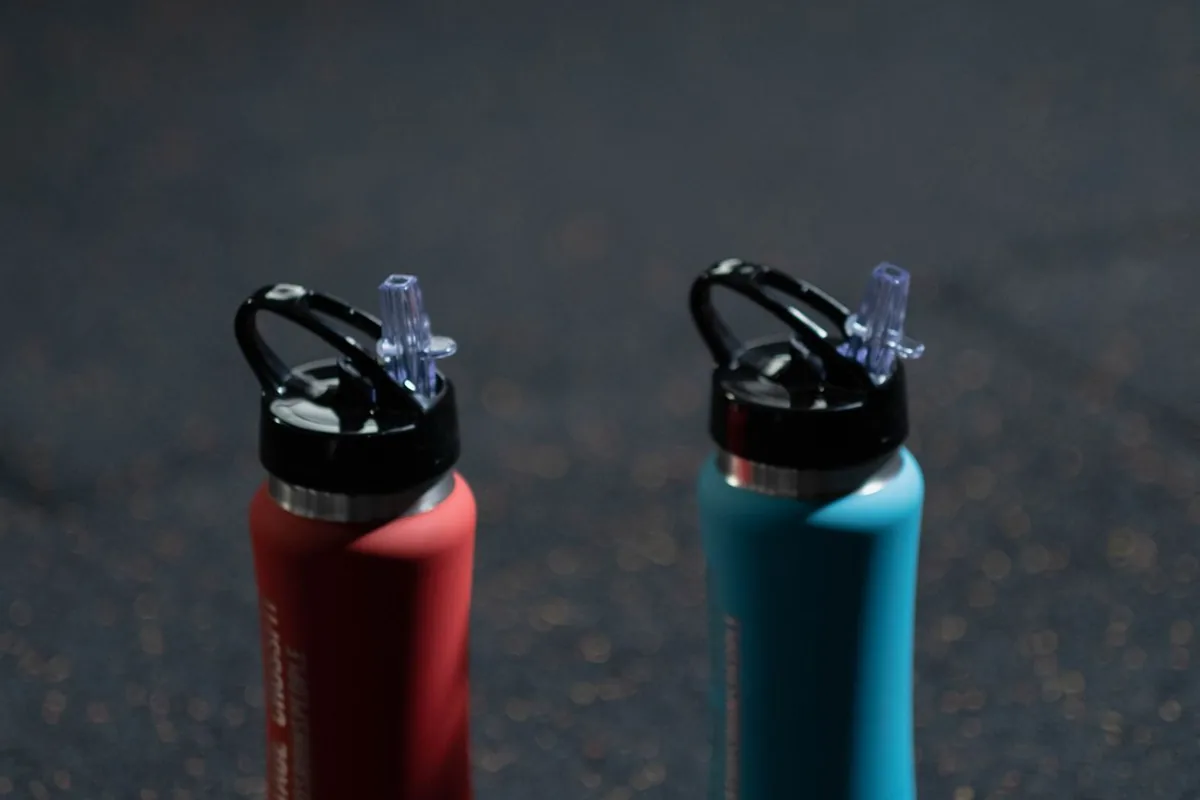
Gym bottles in stainless steel are usually built with two walls and a vacuum sealed space between them. That vacuum slows heat transfer, so cold water stays cold and hot drinks stay hot far longer than in any single wall bottle. The steel itself is normally a food grade such as 18/8, which resists rust and stays neutral in taste. The trade offs are weight and opacity. A steel bottle is the heaviest option in most gym bags, and you cannot see the water level without opening the lid. Sahoolat sells a wide range of stainless steel water bottles, and its 1000ml vacuum insulated stainless steel bottle is rated on its product page at up to 24 hours cold and 12 hours hot. Our separate guide to stainless steel gym bottles covers the steel range in more depth.
Cold water through a full session
This is where the two materials separate most clearly. Fill a Tritan bottle with iced water before a morning session and it will be cool at the start, then drift towards room temperature as the workout goes on, faster in a warm gym or a car parked in the sun. A vacuum insulated steel bottle filled at the same time will still be properly cold at the end of the session and for hours afterwards. There is also the question of condensation. A single wall Tritan bottle sweats when it holds cold water, which leaves rings on benches and damp patches in a gym bag. The vacuum insulation on a steel bottle keeps the outside dry. If your training is short and you drink quickly, none of this may matter much. If you fill up once and sip across two hours, steel wins this round without argument.
Weight in the bag and water you can see
A litre of water weighs a kilogram before the bottle itself is counted. A Tritan bottle adds very little on top of that, while an insulated steel bottle of the same size adds noticeably more. Across a full day of carrying, in a bag that already holds shoes and kit, that difference is real. Tritan also gives you information steel cannot. You can glance at the bottle and know whether you have drunk enough, and many clear bottles carry time markers down the side to pace your intake through the day. With steel, you judge by weight in the hand or by memory. For lifters who track their water intake closely during a session, that visibility is a genuine practical advantage, not a cosmetic one. If you would rather browse the lighter end of the range, the BPA-free water bottles section collects the plastic and Tritan options in one place.
Drops, dents and daily wear
Gym floors are hard and bottles get knocked off benches. Tritan handles this well because it flexes instead of cracking, and Eastman rates it as shatter resistant. It can scratch and slowly turn cloudy after months of hard use, but it rarely fails in one drop. Steel behaves differently. It will not crack, yet a solid fall onto concrete usually leaves a dent. Most dents are cosmetic, although a hard enough impact can damage the vacuum seal, after which the bottle starts sweating and loses its insulation. In plain terms, Tritan forgives clumsy handling, and steel forgives years of it. Both outlast a cheap single use plastic bottle by a wide margin.
Taste and cleaning
Water from a clean Tritan bottle tastes clean, and Tritan resists picking up odours from previous drinks better than ordinary plastic does. Steel has one weakness here. If a steel bottle is left unwashed after a flavoured drink or a protein shake, the inside can hold the smell until it is washed properly. The fix is simple for both materials. Rinse the bottle after every session, wash it with warm water and a small amount of washing up liquid, and let it dry with the cap off. Wide mouth steel bottles are easier to scrub because a standard bottle brush reaches the base. Narrow Tritan bottles with infuser baskets need the basket taken out and rinsed separately, which takes an extra minute.
Price in Pakistan
Prices overlap more than most people expect. In the Sahoolat gym range, which runs from PKR 750 to PKR 5,999, the Tritan Fruit Infuser bottle at 1000ml costs PKR 2,699, while the 1000ml vacuum insulated steel bottle costs PKR 2,400. Steel is not automatically the expensive option, and Tritan is not automatically the budget one. You pay for insulation, capacity and lid design more than for the raw material. It is worth comparing full bottles rather than materials in the abstract, which is what the full gym range is laid out for.
Which one should you choose
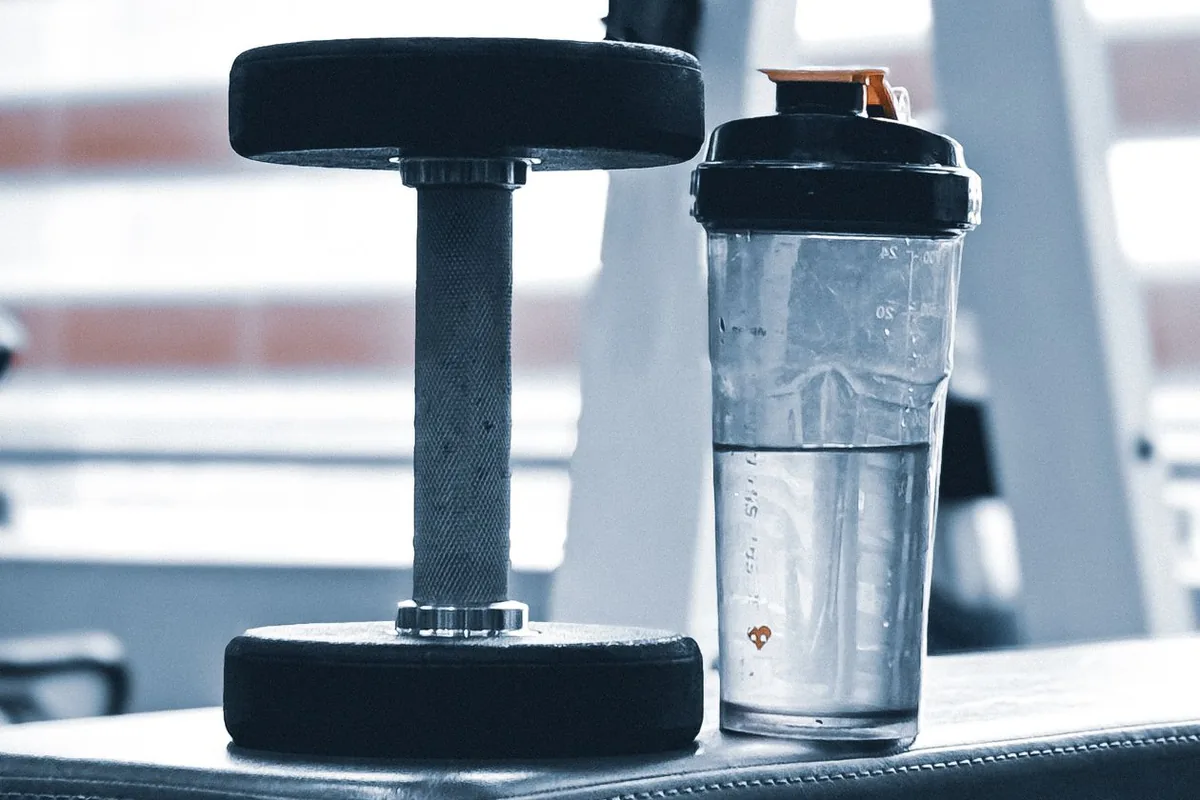
Choose Tritan if you want the lightest bottle in your bag, you like seeing how much you have drunk, and your sessions are short enough that water warming up is not a problem. It also suits anyone who trains with infused water, since clear walls and removable baskets are a Tritan speciality. Choose stainless steel if you fill up once for a long session, train in serious heat, carry hot drinks as well as cold ones, or want a bottle that will still be working years from now. Plenty of regulars end up owning one of each, a light Tritan bottle for short weekday sessions and an insulated steel bottle for long weekend training. Either way, both materials are a clear step up from reusing a disposable bottle, and both are safe for daily use when they come from a reputable source.
Frequently asked questions
Is Tritan safe for daily gym use?
Yes. Tritan is a BPA free copolyester made by Eastman, and the company states it is also free of BPS and other bisphenols. It is cleared for food contact and is widely used in reusable bottles and food containers.
Can I put hot water in a Tritan bottle?
Treat Tritan gym bottles as cold drink bottles. The Tritan infuser bottle sold on Sahoolat is specified for cold and room temperature drinks only. For hot drinks, use an insulated stainless steel bottle instead.
Does stainless steel make water taste metallic?
Food grade steel such as the 18/8 grade used in the bottle described above is chosen because it stays neutral in taste and resists rust. A metallic taste usually points to a cheaper steel or a bottle that needs a proper wash.
Which material lasts longer?
Both last for years with normal care. Tritan resists shattering but can scratch and cloud over time. Steel can dent, and a heavy drop can damage its vacuum seal, but the body itself rarely wears out.
Need help choosing the right product?
Tell us your budget and requirements. We'll recommend the best options for you.


